Japantown
North of downtown, Japantown grew from boardinghouses beside the Heinlenville Chinatown into one of the last three historic Japantowns in the country, with its temples, manju shop and museum on Fifth Street.
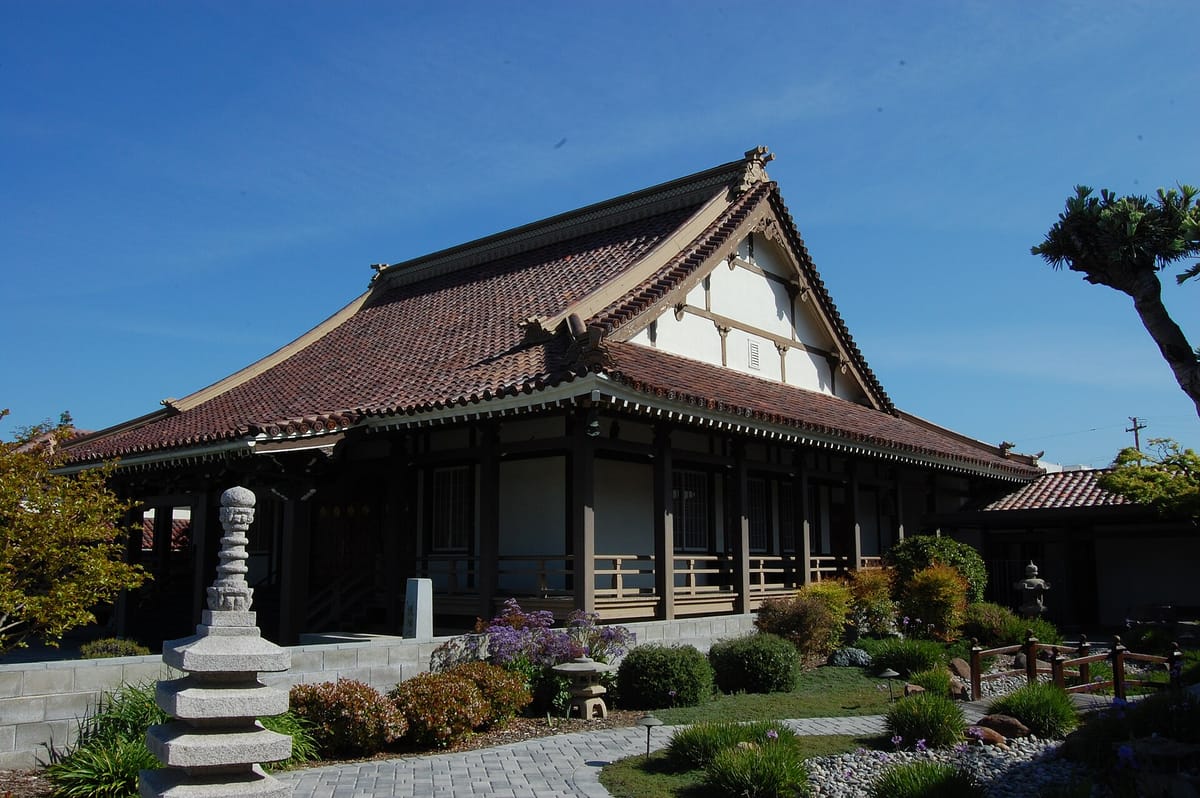

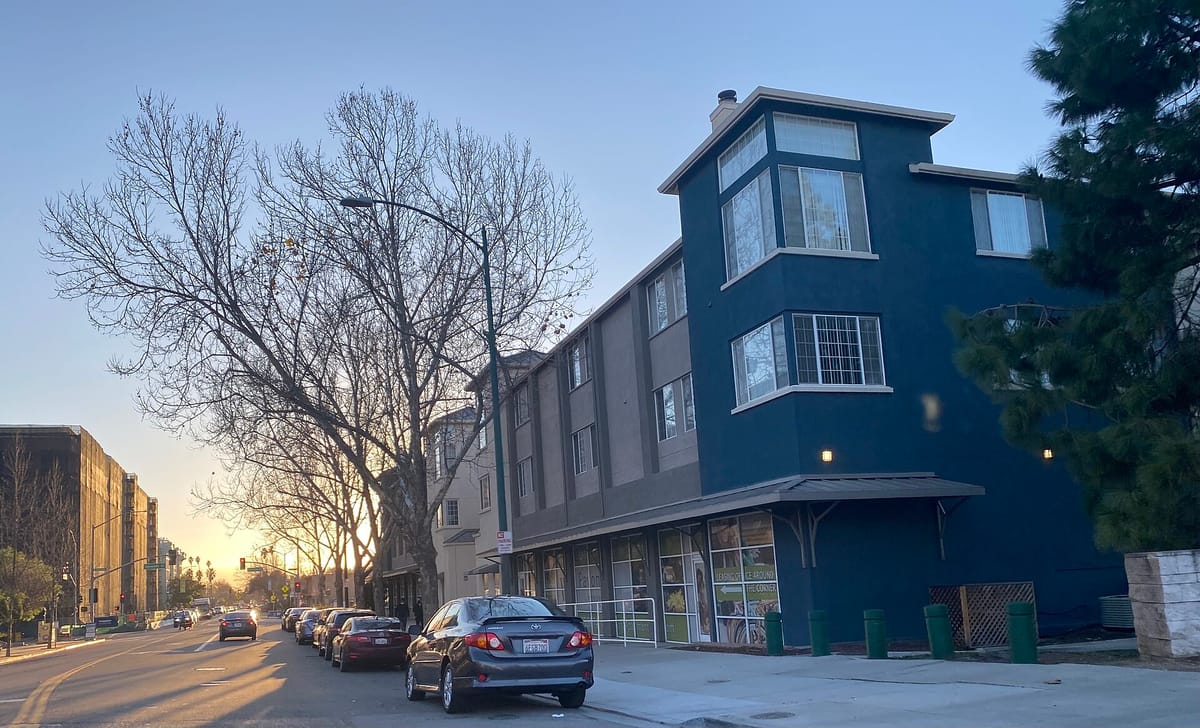
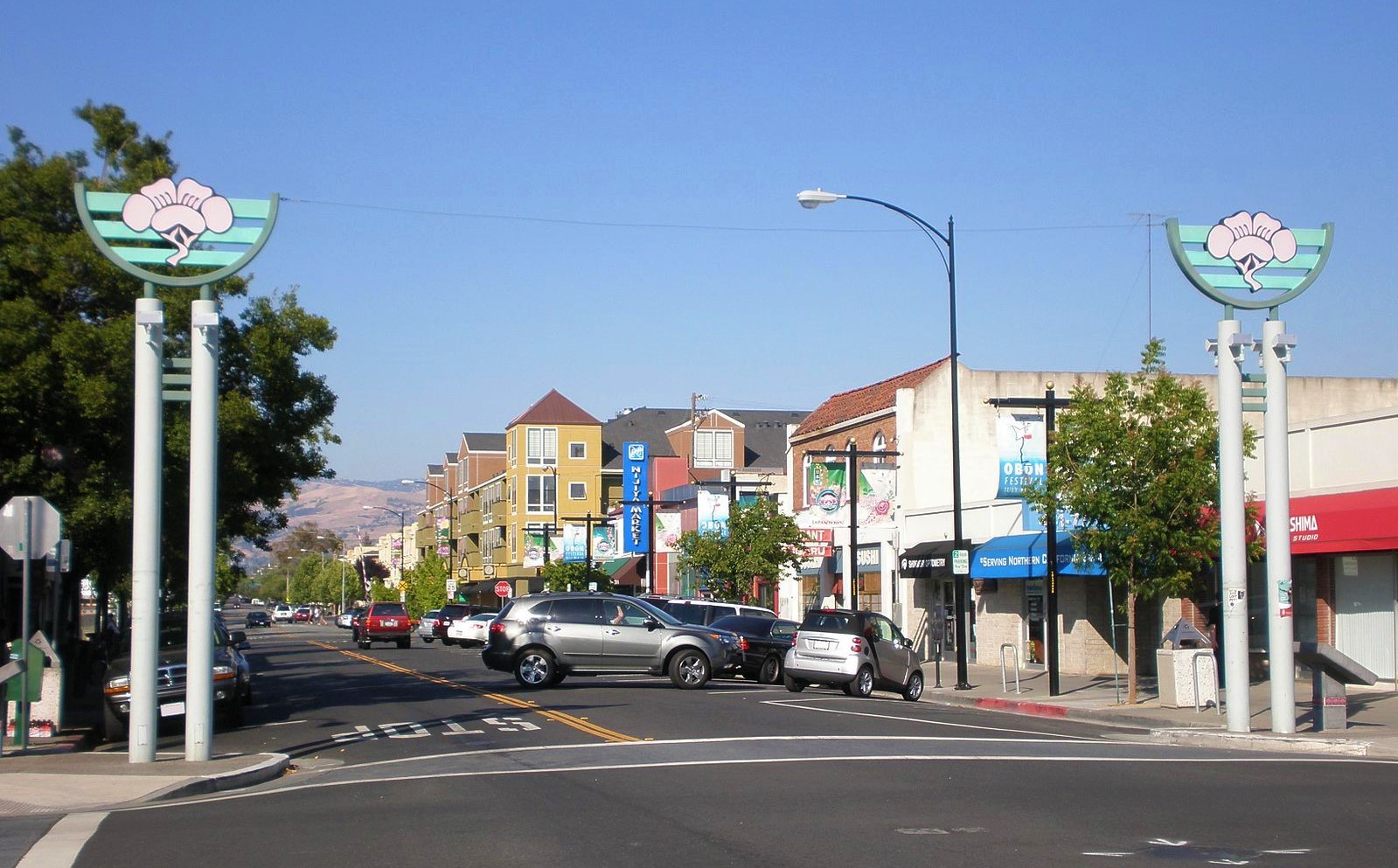
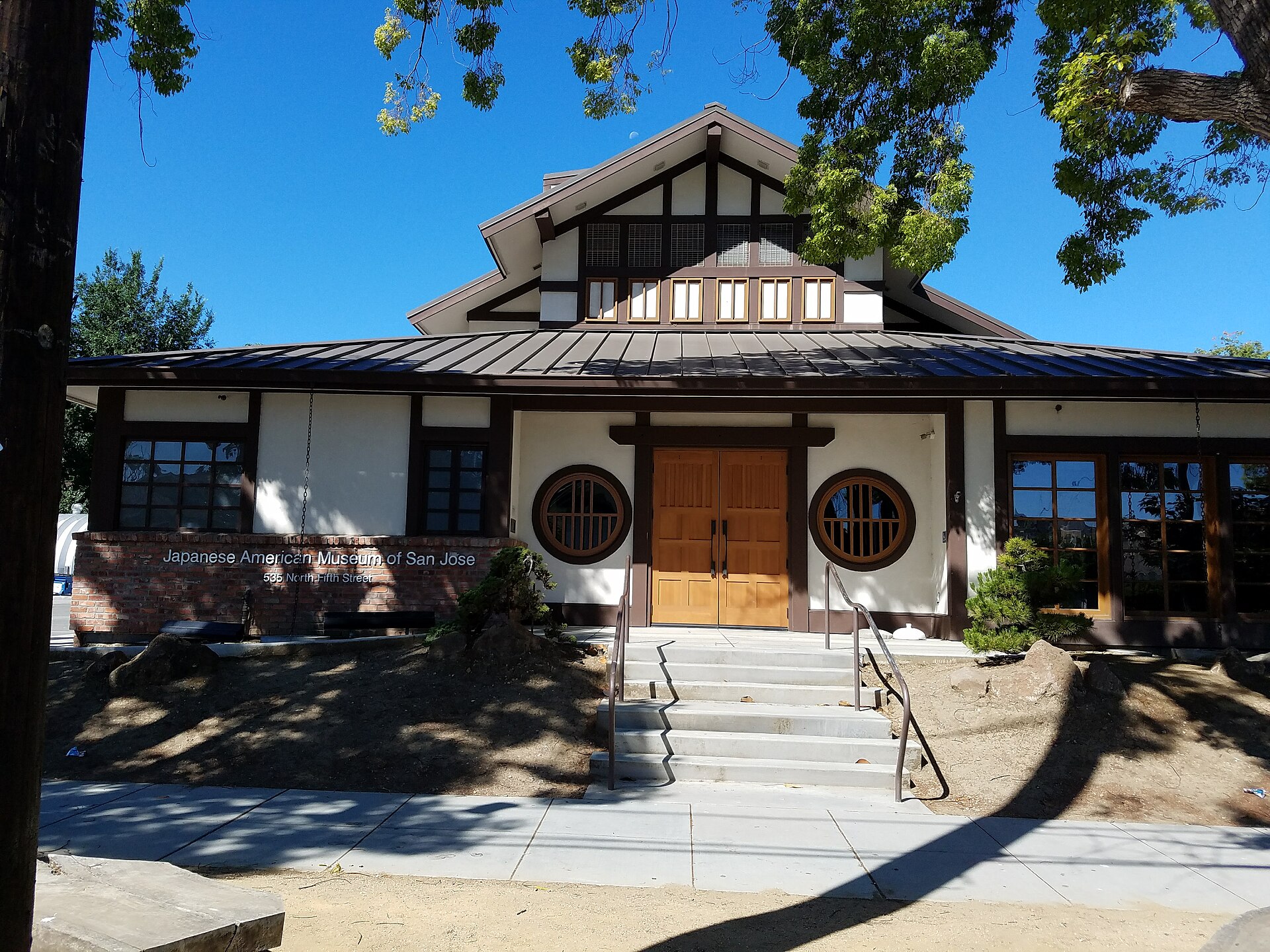
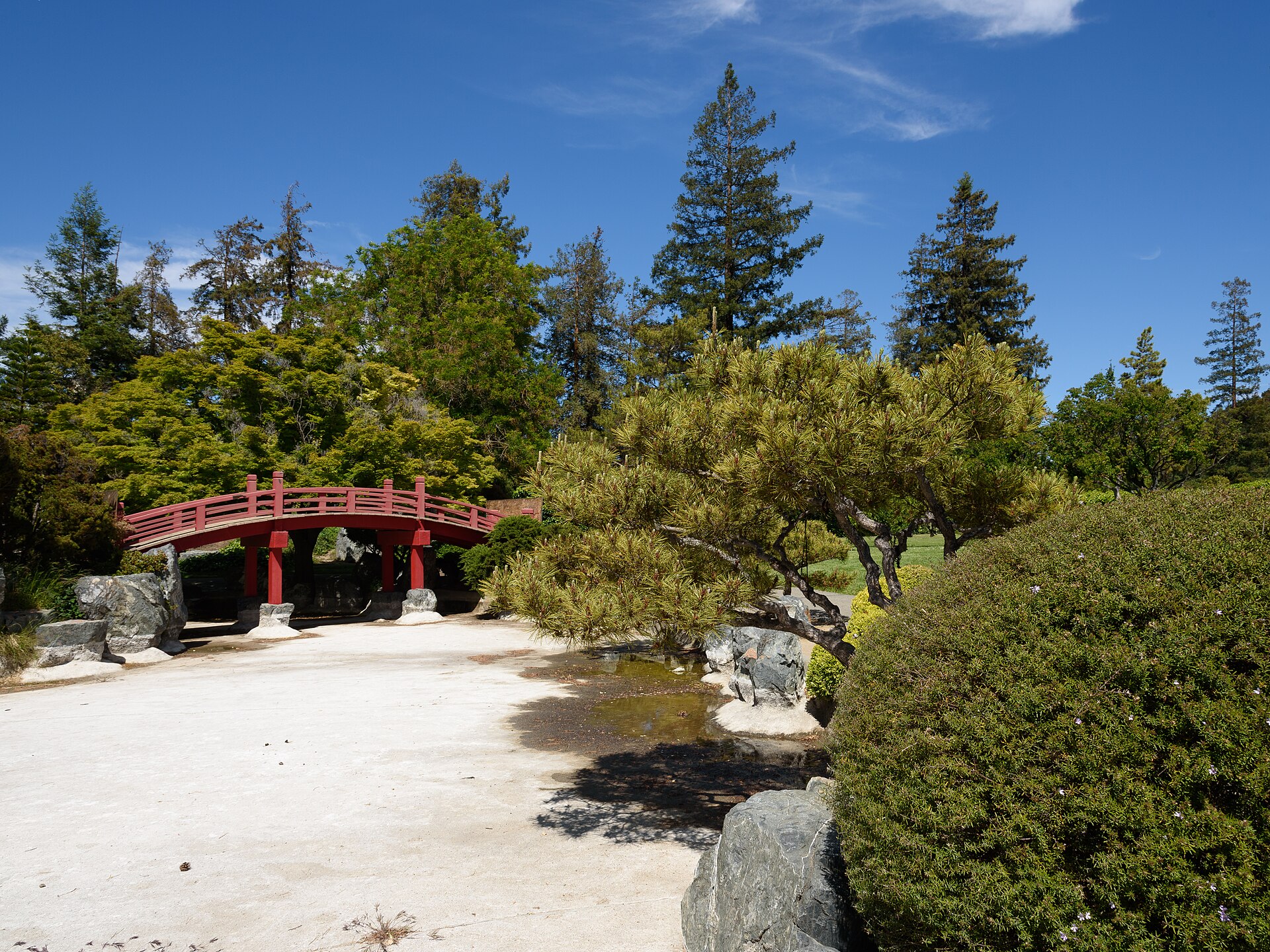
Discover Japantown
Japantown began as boardinghouses for Japanese men who came for farm and labor jobs, just west of Heinlenville, the Chinatown of 1887. Families followed, and by 1941 there were 53 businesses. During World War II Japanese Americans were removed and incarcerated, and many resettled here after the war. (Wikipedia)
It is one of only three historic Japantowns still in the United States, with San Francisco’s and Los Angeles’s Little Tokyo. KQED notes it is the only one rooted in California farming. (Wikipedia, KQED)
Wesley United Methodist Church and the San Jose Buddhist Church Betsuin, both more than a century old, stand on Fifth Street, and the Japanese American Museum of San Jose reopened in a new building in 2010. Shuei-do Manju Shop’s manju were requested for the Emperor of Japan’s 1994 visit. (Wikipedia)
The San Jose Obon Festival fills Fifth Street each July, and the Sunday farmers’ market runs from May to October. (San Jose Betsuin, Japantown Business Association)
The directory is being filled in — check back soon.
San Jose magic: Orchards, adobes and a city that grew from a pueblo
→
Inquiry
We read everything
LET’S COLLAB. Run a business in San José? Want to be listed or featured, spotted something to fix, or want to bring Made In to your own town? Tell us.